Biography

Nigel Patrick Biography: The Distinguished British Actor Who Defined a Golden Era of Film and Theatre

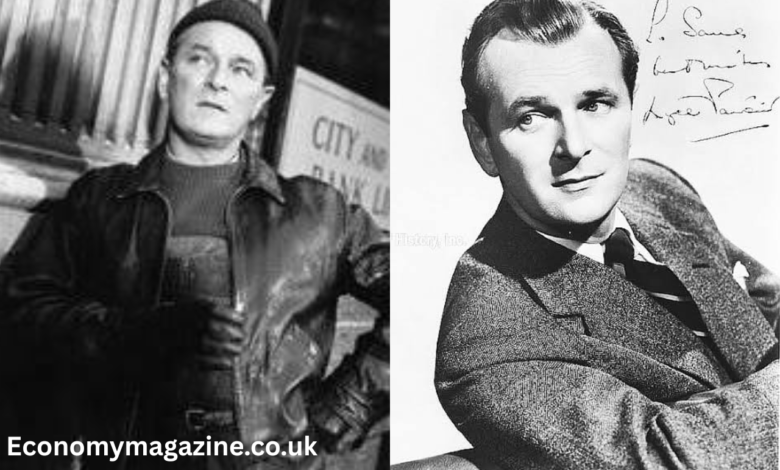
Few British actors managed to combine charm, elegance, and remarkable versatility as naturally as Nigel Patrick. During the golden age of British cinema, he became one of the country’s most admired leading men, winning audiences with his sophisticated screen presence and memorable performances in both films and stage productions. Whether portraying a courageous military officer, a witty gentleman, or a morally complex character, Patrick brought intelligence and authenticity to every role. His career stretched across nearly five decades, leaving an enduring mark on British entertainment.

Unlike many actors who found success in only one medium, Nigel Patrick excelled on the theatre stage, in feature films, and on television. His ability to move effortlessly between dramatic and comedic roles made him one of Britain’s most respected performers. Even decades after his passing, film historians and classic movie fans continue to celebrate his contribution to cinema and theatre.

His story is not simply one of fame. It is a journey shaped by family tradition, military service during World War II, determination, and a lifelong dedication to acting. From London’s theatres to internationally recognized films, Nigel Patrick built a career that remains a proud chapter in British entertainment history.

Fact Details
Full Name Nigel Dennis Patrick Wemyss-Gorman
Popular Name Nigel Patrick
Date of Birth 2 May 1912
Age at Death 69 years
Birthplace Clapham (Wandsworth), London, England
Nationality British
Profession Actor, Stage Director, Writer
Parents Charles Wemyss (Thomas Joseph Charles Aubrey Wemyss Gorman) and Dorothy Turner
Siblings Not publicly documented
Spouse Beatrice Campbell (m. 1951–1979)
Children Two
Years Active 1932–1981
Known For The Sound Barrier, The Browning Version, The League of Gentlemen, Battle of Britain
Estimated Net Worth Not publicly verified
Instagram None (passed away before social media)
Twitter/X None
Facebook None
LinkedIn None

Early Life and Family Background

Nigel Patrick was born on 2 May 1912 in London, England, into a family deeply connected with the performing arts. His birth name was Nigel Dennis Patrick Wemyss-Gorman, and from an early age he was surrounded by actors, theatrical performances, and creative discussions. His father, Charles Wemyss, and his mother, actress Dorothy Turner, were both involved in the entertainment world, giving young Nigel an early appreciation for acting and storytelling.

Growing up in a theatrical household meant that creativity was a natural part of everyday life. Rather than viewing acting as an unusual profession, Patrick saw it as a respected career that demanded discipline, talent, and constant improvement. Watching experienced performers work helped shape his ambitions and inspired him to develop his own acting style from a young age.

Although detailed records about his formal education remain limited, Patrick’s greatest education came from practical experience. Before becoming famous, he spent years learning the craft through repertory theatre, stage productions, and constant performances. These early experiences built the confidence and technical skills that later defined his remarkable career.


Military Service and the Beginning of a Remarkable Career

Just as Nigel Patrick’s acting career was beginning to gather momentum, history intervened. With the outbreak of the Second World War, he put his theatrical ambitions on hold to serve his country. Patrick joined the King’s Royal Rifle Corps and eventually achieved the rank of Lieutenant-Colonel, serving in the Middle East, North Africa, and Italy. His years in military service exposed him to responsibility, leadership, and hardship—experiences that later gave his performances an added depth and authenticity. Rather than seeing the war as a setback, Patrick later demonstrated how those years had strengthened his discipline and understanding of human nature, qualities that became evident throughout his acting career.

When the war ended, Patrick returned to the theatre with renewed confidence and determination. He quickly rebuilt his reputation through acclaimed stage productions including Tomorrow’s Child, Fools Rush In, These Mortals, and Champagne for Delilah. Critics praised his polished performances, effortless delivery, and commanding stage presence. Unlike many performers struggling to re-establish themselves after wartime service, Patrick adapted smoothly to Britain’s changing entertainment landscape and proved that he belonged among the country’s finest actors.

His transition back to films was equally successful. Supporting roles in Spring in Park Lane (1948), Silent Dust (1949), The Perfect Woman (1949), and Morning Departure (1950) showcased his versatility. Directors quickly realized that Patrick possessed the rare ability to portray both sophisticated gentlemen and morally ambiguous characters with equal conviction. By the early 1950s, he was no longer simply a promising actor—he had become one of Britain’s rising screen stars.

Rise to Stardom in British Cinema

The early 1950s marked the defining period of Nigel Patrick’s career. One of his most important performances came in The Browning Version (1951), where he appeared alongside Michael Redgrave. Although the film centered on Redgrave’s unforgettable performance, Patrick’s portrayal of Frank Hunter demonstrated his ability to create layered, believable characters who added emotional richness to the story. The film remains one of the greatest British dramas of its era and introduced Patrick to an even wider audience.

His biggest breakthrough arrived in The Sound Barrier (1952), directed by the legendary David Lean. Playing test pilot Tony Garthwaite, Patrick delivered a confident and charismatic performance that perfectly suited the film’s exploration of courage, ambition, and technological progress. The aviation drama became both a critical and commercial success, earning multiple awards and a BAFTA nomination for Patrick as Best British Actor. The success of the film also elevated him into the ranks of Britain’s most popular film stars during the decade.

Following this success, Patrick appeared in a series of acclaimed productions including The Pickwick Papers, Grand National Night, Forbidden Cargo, The Sea Shall Not Have Them, and A Prize of Gold. Audiences admired his refined screen presence, while critics consistently praised his professionalism and natural acting style. Unlike many stars who became identified with a single character type, Patrick comfortably moved between adventure, drama, mystery, comedy, and literary adaptations, making him one of Britain’s most dependable leading actors.

Iconic Films and Career-Defining Performances

Throughout the 1950s and 1960s, Nigel Patrick built an impressive filmography that demonstrated his remarkable versatility. Rather than becoming associated with a single type of character, he embraced a wide variety of roles across drama, comedy, war films, literary adaptations, mysteries, and crime thrillers. His sophisticated appearance, refined voice, and natural confidence made him a favorite choice for military officers, lawyers, detectives, aristocrats, and intelligent leading men. Directors appreciated not only his talent but also his professionalism, making him one of the most dependable actors of his generation.

Among Patrick’s most celebrated performances was The League of Gentlemen (1960), where he portrayed Major Peter Graham Race in the classic British crime film. The movie has since become regarded as one of Britain’s finest heist films, praised for its clever storytelling and outstanding ensemble cast. Patrick also delivered memorable performances in Sapphire (1959), The Trials of Oscar Wilde (1960), Johnny Nobody (1961), Battle of Britain (1969), The Virgin Soldiers (1969), Tales from the Crypt (1972), and The MacKintosh Man (1973). These productions introduced his work to new generations of audiences and further strengthened his reputation as one of Britain’s most accomplished actors.

Some of Nigel Patrick’s most notable films include:

  • The Sound Barrier (1952)
  • The Browning Version (1951)
  • The Pickwick Papers (1952)
  • Forbidden Cargo (1954)
  • The Sea Shall Not Have Them (1954)
  • Sapphire (1959)
  • The League of Gentlemen (1960)
  • The Trials of Oscar Wilde (1960)
  • Battle of Britain (1969)
  • Tales from the Crypt (1972)
  • The MacKintosh Man (1973)

Theatre Success, Television Work, and Directing Career

Although Nigel Patrick became widely recognized as a film star, theatre remained his greatest passion throughout his life. He consistently returned to the stage, believing that live performances allowed actors to continually refine their craft. During the 1950s, 1960s, and 1970s, he appeared in acclaimed productions including The Remarkable Mr. Pennypacker, The Egg, Present Laughter, Best of Friends, Habeas Corpus, and Peter Pan. His stage performances were admired for their intelligence, warmth, and effortless command of dialogue, making him one of Britain’s most respected theatrical performers.

Patrick also expanded his career behind the scenes by directing numerous stage productions. Plays such as Pleasure of His Company, Settled Out of Court, Present Laughter, Relatively Speaking, and Avanti! demonstrated that he possessed not only acting talent but also exceptional creative vision as a director. His ability to guide fellow performers while maintaining high artistic standards earned him considerable respect within London’s theatre community.

Television became another important chapter in his career during the 1960s. He starred as Alan Garnett in the adventure series Zero One, introducing his work to audiences beyond the cinema. Patrick also made guest appearances in other television productions while continuing to balance film and theatre commitments. His willingness to embrace emerging entertainment platforms reflected his adaptability and ensured that his career remained active during a period of rapid change in British broadcasting.

Personal Life, Marriage, and Life Beyond the Spotlight

Away from the cameras, Nigel Patrick was known for being private, thoughtful, and deeply devoted to his family. In January 1951, he married Irish-born actress Beatrice Campbell, a talented performer who had appeared alongside him in films such as Silent Dust and Grand National Night. Their marriage became one of the most respected relationships in British entertainment and lasted until Campbell’s death in 1979. Together they raised two children while balancing demanding careers in theatre and film. Friends and colleagues often described their relationship as one built on mutual respect, shared artistic interests, and unwavering support.

Despite enjoying fame, Patrick preferred a relatively quiet personal life. Unlike many celebrities of his era, he rarely sought publicity outside his professional work. Instead, he focused on spending time with his family, reading, attending theatre productions, and continuously improving his craft. His calm personality, refined manners, and professionalism earned him admiration not only from audiences but also from directors, fellow actors, and theatre producers who valued his reliability and dedication.

The loss of Beatrice Campbell in 1979 was a deeply difficult period for Patrick. Just two years later, on 21 September 1981, he died in London from lung cancer at the age of 69. His passing marked the end of an extraordinary career spanning nearly fifty years. The British entertainment industry paid tribute to one of its finest actors, remembering him not only for his remarkable performances but also for his kindness, dignity, and commitment to the performing arts. A memorial service celebrating his life was later held at St. Paul’s Church, Knightsbridge, attended by friends, colleagues, and admirers.

Awards, Recognition, and Lasting Legacy

Nigel Patrick earned widespread critical acclaim throughout his career, even if he was never one to chase awards. One of his most significant recognitions came for The Sound Barrier (1952), which earned him a BAFTA nomination for Best British Actor and firmly established him as one of Britain’s leading film stars. Later, his outstanding performance in The League of Gentlemen received the Zulueta Award for Best Actor at the San Sebastián International Film Festival in 1960, further demonstrating his international reputation.

His influence extended far beyond awards. Patrick became known as one of the defining faces of post-war British cinema, helping shape the industry’s golden era through memorable performances in dramas, war films, literary adaptations, and crime thrillers. Film historians continue to praise his natural acting style, polished delivery, and remarkable ability to make every character believable. Unlike performers who relied on dramatic gestures, Patrick preferred subtle expressions and emotional honesty, qualities that have allowed his performances to age gracefully.

Today, many of his films remain favorites among classic cinema enthusiasts. Whether viewed in The Sound Barrier, The Browning Version, The League of Gentlemen, or Battle of Britain, audiences continue to appreciate the intelligence and sophistication he brought to every role. His contribution to British theatre as both an actor and director also remains an important part of his legacy, inspiring performers who value versatility and craftsmanship over celebrity.

Net Worth, Income Sources, and Public Image

Because Nigel Patrick belonged to an earlier generation of actors, there are no verified public records detailing his personal wealth or estate. Modern online estimates vary considerably and are largely speculative, making it impossible to state an accurate net worth. Any specific financial figure should therefore be treated with caution rather than fact.

Throughout his career, Patrick’s income came primarily from several professional avenues:

  • Film acting
  • Stage performances
  • Television appearances
  • Theatre directing
  • Writing and other theatrical work

His long and consistent career ensured a stable professional reputation rather than the kind of commercial celebrity associated with modern entertainment. Working steadily across multiple decades, he became known as a dependable and highly respected actor whose success was measured by artistic achievement as much as financial reward.

Since Nigel Patrick passed away in 1981, he never experienced the era of digital media or personal branding through social platforms. Consequently, he has no official Instagram, X (Twitter), Facebook, LinkedIn, or other social media accounts. Instead, his legacy lives on through restored classic films, theatre archives, film festivals, biographies, and the continued appreciation of classic British cinema by audiences around the world.

Recent Recognition, Enduring Influence, and Cultural Legacy

Although Nigel Patrick passed away in 1981, his work continues to be appreciated by classic film enthusiasts, theatre historians, and scholars of British cinema. His films are regularly broadcast on classic movie channels, restored for modern audiences, and included in collections celebrating the golden age of British filmmaking. His performances remain admired for their intelligence, understated emotion, and timeless sophistication, proving that great acting transcends generations.

Modern critics often describe Patrick as one of the defining leading men of post-war British cinema. While some of his contemporaries achieved greater international celebrity, Patrick earned something equally valuable—a reputation for consistency, professionalism, and artistic excellence. Whether appearing in a David Lean drama, a wartime epic, or a stage comedy in London’s West End, he approached every role with meticulous preparation and remarkable authenticity. His ability to balance charm with emotional depth helped shape the standard for British screen acting during the 1950s and 1960s.

Today, younger audiences continue discovering Nigel Patrick through streaming services, DVD collections, film festivals, and retrospectives dedicated to classic British cinema. His performances in The Sound Barrier, The Browning Version, The League of Gentlemen, and Battle of Britain remain recommended viewing for anyone interested in the evolution of British film acting. More than four decades after his death, his work still reflects the elegance, discipline, and craftsmanship that defined an unforgettable era of entertainment.

Interesting Facts About Nigel Patrick

Nigel Patrick’s life included many fascinating achievements beyond his famous screen appearances. These details help paint a fuller picture of the man behind the performances.

  1. His full birth name was Nigel Dennis Patrick Wemyss-Gorman.
  2. He made his professional stage debut in 1932, launching a career that lasted nearly fifty years.
  3. During the Second World War, he served as a Lieutenant-Colonel in the King’s Royal Rifle Corps, fighting in the Middle East, North Africa, and Italy.
  4. He married actress Beatrice Campbell in 1951, and they remained together until her death in 1979.
  5. He was equally respected as an actor, stage director, writer, and theatre manager.
  6. His performance in The Sound Barrier earned him a BAFTA nomination, while The League of Gentlemen won him the Zulueta Award for Best Actor at the San Sebastián International Film Festival.

These achievements illustrate why Nigel Patrick is remembered not only as a talented actor but also as a dedicated artist who contributed to British culture across multiple creative disciplines. His career reflected hard work, versatility, and a lifelong commitment to excellence rather than fleeting celebrity.

His influence can still be seen in the careers of British actors who value strong theatre foundations before moving into film and television. Patrick demonstrated that lasting success comes from mastering one’s craft, adapting to changing times, and maintaining professionalism throughout every stage of a career.

Conclusion

Nigel Patrick’s remarkable journey stands as one of the finest examples of dedication, resilience, and artistic excellence in British entertainment history. From growing up in a theatrical family to serving his country during the Second World War and later becoming one of Britain’s most respected actors, every stage of his life reflected determination and integrity. His performances captivated audiences because they were grounded in authenticity, intelligence, and genuine emotional depth rather than superficial glamour.

Across theatre, film, television, and directing, Patrick built a body of work that continues to inspire actors, filmmakers, and lovers of classic cinema. His memorable roles in The Sound Barrier, The Browning Version, The League of Gentlemen, Sapphire, and Battle of Britain remain enduring examples of British filmmaking at its finest. His reputation as a dependable professional and gifted performer has only grown stronger with time, ensuring that his contributions are remembered by future generations.

As Nigel Patrick’s legacy continues to live on through his films, stage productions, and the countless lives he influenced, his story serves as a powerful reminder that true greatness is built through passion, perseverance, and unwavering dedication to one’s craft. His extraordinary career remains an inspiration to aspiring performers everywhere, proving that genuine talent, hard work, and purpose can create a legacy that endures long after the final curtain falls.

Related Articles

Leave a Reply

Your email address will not be published. Required fields are marked *

Back to top button