Ella Olivia Stiller Biography: The Rising Hollywood Actress Carrying Forward a Legendary Family Legacy

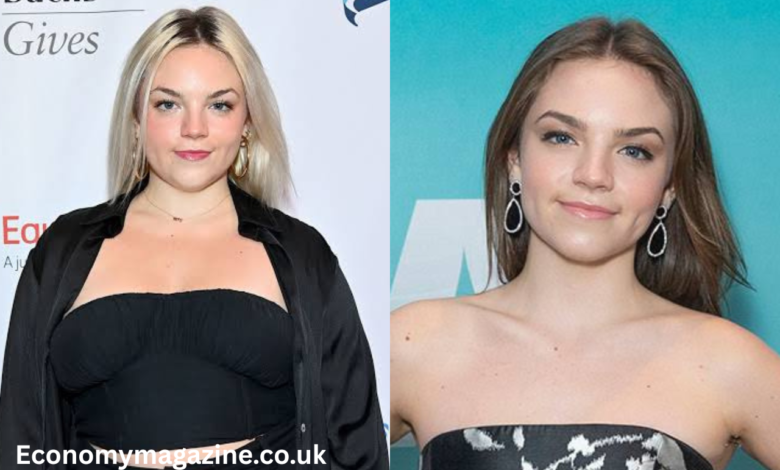
Who Is Ella Olivia Stiller?
In Hollywood, where famous family names often attract immediate attention, only a handful of celebrity children manage to earn respect through their own determination and talent. Ella Olivia Stiller is one of those emerging stars. Born into one of America’s most celebrated entertainment families, Ella is the daughter of acclaimed actor, filmmaker, and comedian Ben Stiller and actress Christine Taylor. While her famous surname naturally sparks curiosity, Ella has chosen a different path from many celebrity children by focusing on professional acting education and carefully building her career one role at a time. Instead of chasing instant fame, she has invested years in refining her craft, proving that lasting success in the entertainment industry comes from dedication, discipline, and genuine passion for storytelling. Her steady rise has made audiences increasingly interested in following her journey as she begins creating a legacy of her own.
Table of Contents
ToggleElla’s story is especially fascinating because she represents the third generation of a remarkable Hollywood dynasty. Her grandparents, Jerry Stiller and Anne Meara, were legendary comedians and actors whose careers influenced American television and theater for decades. Her parents continued that tradition by becoming internationally recognized performers through blockbuster films, television series, and acclaimed comedy projects. Growing up in such an environment exposed Ella to every aspect of filmmaking, stage performance, and creative storytelling from an early age. Yet, despite having extraordinary opportunities, she has consistently demonstrated humility and a willingness to earn every professional achievement through formal training and hard work rather than relying solely on family connections. That approach has earned admiration from casting professionals, theater audiences, and entertainment journalists alike.
Today, Ella Olivia Stiller is steadily becoming known as an actress in her own right. After graduating from the prestigious Juilliard School with a Bachelor of Fine Arts in Acting, she has appeared in theater productions, television series, independent films, and major Hollywood projects. Her Off-Broadway performances, appearances in productions such as Hubie Halloween, And Just Like That…, Happy Gilmore 2, and her growing presence within New York’s theater community all demonstrate that her career is progressing through meaningful artistic choices rather than shortcuts. As her experience continues to expand, many industry observers believe Ella represents one of the most promising young actresses of her generation, combining classical training with natural comedic instincts inherited from one of Hollywood’s most beloved families.
Early Life, Childhood, and Family Background
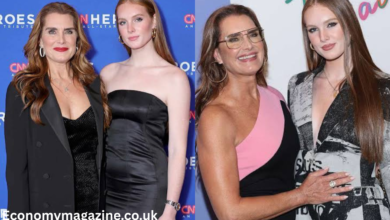
Ella Olivia Stiller was born on April 9, 2002, in Los Angeles, California, into one of the most respected families in American entertainment. Long before she ever considered becoming an actress, Hollywood was already part of her everyday life. Her father, Ben Stiller, had become one of the biggest comedy stars in the world through films like Meet the Parents, Night at the Museum, Tropic Thunder, and Zoolander, while her mother, Christine Taylor, had built an impressive acting career with memorable performances in movies such as The Brady Bunch Movie, The Wedding Singer, and Dodgeball. Despite their fame, Ben and Christine worked hard to give Ella and her younger brother, Quinlin Dempsey Stiller, as normal a childhood as possible. Instead of constantly exposing their children to media attention, they prioritized family life, education, and privacy, allowing Ella to grow up away from the pressures that often come with celebrity status.
Although Ella was born in Los Angeles, much of her upbringing took place in New York City, where the family spent most of their time. Living in Manhattan exposed her to a vibrant artistic culture that included Broadway theater, museums, music, literature, and film festivals. Rather than simply visiting movie sets, Ella developed a genuine appreciation for live performance and storytelling. She attended The Calhoun School, the same independent school her father had attended decades earlier, where she became actively involved in drama productions and school performances. Teachers and classmates quickly recognized her confidence on stage, but those who knew her say she was never treated as someone expecting special treatment because of her famous parents. Instead, she participated like every other student, learning the importance of teamwork, preparation, and creative discipline. These experiences helped shape the strong work ethic that would later define her professional career.
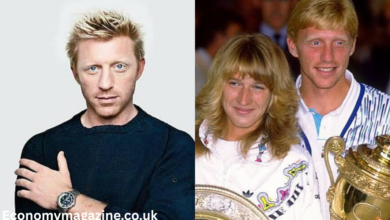
Ella also belongs to one of Hollywood’s most celebrated multi-generational acting families. Her grandparents, Jerry Stiller and Anne Meara, were comedy legends whose partnership entertained audiences for decades through television, theater, and film. Their influence extended far beyond comedy, inspiring countless performers with their professionalism and commitment to the craft. Growing up hearing stories about their careers, while watching her own parents balance family life with demanding film schedules, gave Ella an early understanding of both the rewards and sacrifices of working in entertainment. Rather than feeling pressured by her family’s remarkable achievements, she has often expressed gratitude for their support while emphasizing her desire to establish her own artistic identity. She has explained that although she appreciates the opportunities her family background provides, she wants people to recognize her work based on her own talent, voice, and creative vision rather than simply her famous surname.
Education and Acting Training
Ella Olivia Stiller’s decision to pursue professional acting education demonstrates just how serious she is about building a lasting career in the entertainment industry. While many celebrity children enter Hollywood immediately after high school, Ella deliberately chose a more traditional and demanding route by enrolling at The Juilliard School in New York City. Widely regarded as one of the world’s finest performing arts institutions, Juilliard accepts only a small number of acting students each year after an extremely competitive audition process. Being admitted alone is considered a remarkable achievement, as applicants are evaluated not only for talent but also for discipline, creativity, emotional depth, and commitment to the craft. Ella graduated with a Bachelor of Fine Arts (BFA) in Acting in 2024, marking the beginning of her professional career with one of the strongest educational foundations an actor can have.
During her years at Juilliard, Ella immersed herself in every aspect of actor training. Her education included classical and contemporary acting techniques, Shakespeare, voice and speech, movement, stage combat, character analysis, scene study, improvisation, and ensemble performance. According to her official Juilliard résumé, she also trained at The Calhoun School, participated in the USC School of Dramatic Arts Summer Acting Intensive, attended NYU Tisch’s New Studio on Broadway Summer Program, studied the Strasberg Method, and developed skills in singing, improvisation, horseback riding, dance, tennis, and creative writing. This broad range of training reflects her desire to become a versatile performer capable of working across theater, television, and film rather than limiting herself to one style of acting.
Ella has openly explained that attending Juilliard was about much more than earning a degree. In interviews, she has said she always wanted to become “a really good actor” and believed that formal training would provide the tools needed to build a sustainable career. She also wanted to establish her own creative community and artistic identity outside of her family’s famous name. Rather than depending on industry connections, she valued learning alongside classmates who knew her simply as another aspiring actor dedicated to improving every day. That philosophy continues to shape her professional journey and has earned admiration from both theater professionals and audiences who appreciate performers committed to mastering their craft before pursuing widespread fame.
Career Beginnings and Journey Into Professional Acting
Ella Olivia Stiller’s journey into professional acting did not begin with a major Hollywood blockbuster, even though she easily could have pursued that route through her family’s connections. Instead, she chose to develop her confidence gradually, gaining experience through student productions, workshops, and smaller screen roles before stepping into larger projects. Her earliest screen appearance came in the 2010 family comedy-drama Megamind, where she contributed a voice role as a schoolchild. She later appeared alongside Adam Sandler in Netflix’s Hubie Halloween (2020), giving audiences an early glimpse of her natural screen presence. While these roles were relatively small, they allowed her to understand the realities of professional film production and reinforced her desire to continue acting as a lifelong career rather than simply experimenting because of her family’s reputation.
After graduating from Juilliard in 2024, Ella entered an exciting new phase of her career by balancing theater, television, and film. One of her most significant milestones came when she was cast in the title role of Julia Randall’s Off-Broadway dark comedy Dilaria at New York City’s DR2 Theatre. Directed by Alex Keegan, the production opened in June 2025 and quickly attracted attention for its sharp commentary on social media culture, internet fame, and modern relationships. Playing the complex lead character required Ella to combine comedy, emotional vulnerability, and dramatic intensity—qualities that showcased the benefits of her classical training. Critics and theater audiences praised her confident stage presence, while many reviewers described the performance as a genuine breakout moment that established her as far more than just another celebrity child entering the entertainment industry. The production became successful enough to extend its original run, further increasing Ella’s visibility within New York’s theater community.
Alongside her theater work, Ella has continued expanding her screen résumé with roles in high-profile productions. She appears in Season 3 of HBO Max’s And Just Like That…, introducing her to television audiences, and also joined the cast of Happy Gilmore 2, reuniting with Adam Sandler after Hubie Halloween. In addition, she completed filming Driver’s Ed, an upcoming comedy directed by Bobby Farrelly, further demonstrating her willingness to explore different genres and collaborate with respected filmmakers. Rather than limiting herself to comedy because of her family’s background, Ella has expressed interest in pursuing character-driven dramas, contemporary theater, independent films, and eventually writing, directing, and producing her own projects. This thoughtful approach reflects an actress focused on long-term artistic growth instead of quick celebrity success, positioning her as one of Hollywood’s most promising young talents.
Major Works, Career Highlights, and Growing Recognition
Ella Olivia Stiller may still be in the early stages of her acting career, but she has already built an impressive résumé that reflects careful planning rather than a rush toward celebrity status. One of her earliest screen appearances came in DreamWorks Animation’s Megamind (2010), where she voiced a schoolchild. She later appeared as Lexie in the Netflix Halloween comedy Hubie Halloween (2020), sharing the screen with Adam Sandler. Although it was a supporting role, the project gave Ella valuable experience on a major studio production and marked one of her first notable on-screen performances. These early roles demonstrated her comfort in front of the camera while allowing her to gain practical experience before taking on more demanding acting opportunities.
A major turning point arrived after graduating from Juilliard when Ella landed the leading role in the Off-Broadway play Dilaria. The production became one of the most talked-about new plays in New York’s theater scene, with Ella portraying a complicated young woman navigating internet fame, identity, and modern relationships. Critics praised her confidence, emotional range, comic timing, and ability to carry a demanding lead role. The success of Dilaria firmly established her as a serious stage actress rather than simply another Hollywood celebrity child trying acting. Around the same period, she expanded her television career by joining HBO Max’s And Just Like That… and secured roles in Driver’s Ed, directed by Bobby Farrelly, as well as Happy Gilmore 2, where she reunited professionally with Adam Sandler. These diverse projects highlight her versatility across theater, television, and feature films while introducing her work to increasingly wider audiences.
Although Ella has not yet received major industry awards such as an Emmy, Golden Globe, or Academy Award, many entertainment journalists believe she possesses the foundation necessary for long-term success. More importantly, she has already achieved recognition in ways that cannot be measured solely by trophies. Graduating from one of the world’s most respected acting conservatories, earning leading theatrical roles shortly afterward, and receiving positive reviews from critics represent significant accomplishments for any young performer. Industry insiders frequently describe her as one of Hollywood’s rising actresses to watch because she combines classical acting training with natural charisma, emotional authenticity, and an eagerness to continue learning. As her career progresses, many expect her growing body of work to lead to larger leading roles, prestigious film festivals, award nominations, and collaborations with some of the entertainment industry’s most respected filmmakers and playwrights.
Personal Life, Relationships, and Life Beyond the Spotlight
Despite growing up in one of Hollywood’s most recognizable families, Ella Olivia Stiller has intentionally maintained a private and grounded personal life. Unlike many young celebrities who document nearly every aspect of their daily routines online, Ella has chosen to keep much of her personal world away from public attention. Friends, colleagues, and interviewers often describe her as thoughtful, warm, and down-to-earth rather than someone seeking constant media exposure. She has explained that growing up with famous parents gave her a unique understanding of both the privileges and challenges that come with public attention. Watching her family navigate fame taught her the importance of protecting personal relationships while remaining authentic in both life and work. This balanced perspective has become one of the defining characteristics of her public image as she continues building her acting career.
Ella has frequently spoken about the close relationship she shares with her parents, Ben Stiller and Christine Taylor. Although her parents separated in 2017 before later reconciling during the COVID-19 pandemic, the family remained remarkably close throughout that period. Ella has said their bond has only grown stronger as she entered adulthood and began pursuing acting professionally. She often credits both parents for providing unwavering emotional support rather than pushing her toward fame. Ben and Christine regularly attend her theater performances, celebrate her achievements, and offer encouragement while allowing her the freedom to develop her own artistic identity. Ella has also shared that she feels deeply connected to the legacy of her late grandparents, Jerry Stiller and Anne Meara, whose careers continue to inspire her approach to performance, comedy, and storytelling.
When it comes to her personal relationships, Ella has chosen to keep that aspect of her life entirely private. As of 2026, there are no confirmed public reports regarding a boyfriend, partner, or marriage, and she has never made her dating life a focus of interviews or social media. Instead, she appears to devote most of her time to acting, theater, writing, and spending time with family and close friends. In several interviews, Ella has also spoken honestly about experiencing anxiety and depression while growing up and has shared that therapy, support from loved ones, and appropriate treatment have played an important role in her well-being. By discussing mental health openly yet thoughtfully, she has shown maturity and encouraged conversations about emotional wellness among young people entering demanding creative careers. Outside acting, Ella enjoys Broadway musicals, creative writing, watching reality television with her father, and exploring new artistic projects, all while maintaining a lifestyle that reflects authenticity more than celebrity culture.
Net Worth, Income Sources, and Social Media Presence
As Ella Olivia Stiller is still in the early years of her professional acting career, there is no officially verified figure for her personal wealth. Most entertainment publications and celebrity finance estimates place her net worth between approximately $300,000 and $700,000, though these numbers should be viewed as informed estimates rather than confirmed facts. Unlike long-established Hollywood stars, Ella has only recently begun taking on leading stage roles and higher-profile film and television projects. Her financial growth is expected to increase steadily as she continues to secure larger acting opportunities and expands her portfolio across different areas of the entertainment industry.
Ella’s primary source of income comes from her work as an actress. She earns from feature films, television appearances, and professional theater productions, particularly her acclaimed Off-Broadway performances. As her career develops, additional revenue opportunities may include streaming productions, brand partnerships, voice acting, guest appearances, endorsements, and future creative projects such as writing or producing. Coming from a family deeply rooted in the entertainment business has given her valuable insight into building a sustainable career, but Ella has consistently emphasized creating success through her own efforts. Rather than relying on family wealth or fame, she has focused on developing the skills and experience necessary to establish herself as a respected performer whose career is built on merit and artistic credibility.
Unlike many actors of her generation, Ella maintains a relatively modest digital footprint. She does not actively pursue influencer status or use social media as the center of her public image. While she has appeared in posts shared by her parents and has an Instagram presence, she has not cultivated a highly public online persona, and she does not currently operate widely recognized verified accounts on platforms such as X (formerly Twitter) or LinkedIn. Instead, her public attention primarily comes through interviews, theater performances, film announcements, and entertainment news coverage. This reserved approach reflects her preference for letting her work speak for itself, allowing audiences to focus on her performances rather than her private life or online activity.
Recent Updates, Future Goals, and What Lies Ahead
The last two years have marked a major turning point in Ella Olivia Stiller’s career. After graduating from The Juilliard School in 2024, she quickly transitioned from student performer to professional actress with several high-profile projects across theater, television, and film. Her leading role in the Off-Broadway play Dilaria introduced her to a wider audience and earned praise for its emotional depth and confident performance. She also expanded her television résumé with appearances in And Just Like That…, while feature-film audiences saw her in Driver’s Ed and Happy Gilmore 2. Looking ahead, her professional schedule continues to grow. According to IMDb, Ella is attached to upcoming productions including the television series Cupertino, the drama See You on the Other Side, and a recurring role in the revival of The Comeback, demonstrating that casting directors increasingly view her as a talented young actress capable of handling diverse roles.
Beyond acting, Ella has spoken openly about her long-term creative ambitions. In several interviews, she has explained that while performing will always remain at the center of her career, she also dreams of becoming a writer, director, and producer. She has expressed a particular passion for telling authentic stories about young women, exploring themes such as identity, relationships, mental health, family dynamics, and the pressures created by modern social media culture. During promotional interviews for Dilaria, Ella shared that her ultimate goal is not simply to become famous but to create meaningful work that resonates with audiences emotionally. She has also said she hopes to collaborate creatively with members of her family one day, combining their different experiences while still maintaining her own artistic voice. Those aspirations suggest that her influence may eventually extend well beyond acting into filmmaking and storytelling as a whole.
Entertainment industry observers increasingly view Ella Olivia Stiller as one of Hollywood’s rising talents rather than merely the daughter of two famous actors. Her commitment to formal training, willingness to begin her career in theater, and careful selection of projects have earned respect from critics and fellow performers alike. As streaming platforms continue investing in original programming and independent films gain greater visibility, Ella appears well positioned to take on increasingly challenging leading roles over the coming years. Whether she chooses independent cinema, prestige television, Broadway productions, or eventually directs her own projects, her career trajectory reflects patience, professionalism, and artistic integrity. With each new performance, she moves further away from the shadow of her family’s extraordinary legacy and closer to establishing a remarkable legacy of her own—one built on talent, hard work, and a genuine love for the art of storytel
Conclusion: Ella Olivia Stiller’s Inspiring Journey and Lasting Legacy
Ella Olivia Stiller’s journey is a powerful example of how talent, dedication, and perseverance can shape a meaningful career, even when growing up under the spotlight of a famous family. As the daughter of Hollywood stars Ben Stiller and Christine Taylor and the granddaughter of comedy legends Jerry Stiller and Anne Meara, she could easily have relied on her family’s reputation. Instead, she chose to earn recognition through education, discipline, and years of hard work. From studying at the prestigious Juilliard School to making an impressive Off-Broadway debut in Dilaria and securing roles in television and film, Ella has steadily proven that she is building a career based on her own abilities. Critics and audiences alike have praised her authenticity, emotional depth, and commitment to telling meaningful stories, particularly those centered on young women’s experiences.
What makes Ella especially inspiring is not simply her growing list of acting credits, but the values she brings to her profession. Throughout interviews, she has spoken honestly about overcoming anxiety, embracing vulnerability, and using her experiences to become a better artist. Rather than chasing instant celebrity, she has remained focused on learning, improving, and creating work that resonates with audiences on a deeper level. Her ambition extends beyond acting alone, as she has expressed hopes of writing, directing, and producing stories that reflect authentic human experiences. This thoughtful approach suggests that her future influence may reach far beyond performing, allowing her to contribute creatively to the next generation of film, television, and theater. As her career continues to evolve, Ella’s willingness to remain grounded while pursuing artistic excellence has earned admiration from both industry professionals and fans.
Although Ella Olivia Stiller’s story is still being written, the foundation she has established points toward a bright and enduring future. With exceptional professional training, a genuine passion for storytelling, and the support of a family that understands the demands of the entertainment industry, she is well positioned to become one of Hollywood’s most respected actresses of her generation. Whether she is captivating audiences on stage, appearing in acclaimed television series, starring in major films, or eventually creating projects behind the camera, her commitment to meaningful storytelling remains at the heart of everything she does. As Ella Olivia Stiller continues to pave the way for future generations, her story stands as a reminder of how resilience, purpose, education, and passion can shape a meaningful legacy. Her journey inspires aspiring artists everywhere to believe that true success is earned through perseverance, authenticity, and an unwavering dedication to one’s craft.